The Art of Layering Textures in Modern Interiors
There is a quiet alchemy to a room that feels truly complete. It rarely comes from a single statement piece or a bold colour choice. More often, it emerges from the subtle interplay of textures — the way a hand-thrown ceramic vessel sits against a wall of brushed plaster, or how a cashmere throw draped across a leather armchair invites you to stay a little longer.
Layering textures is one of the most powerful tools in an interior designer's repertoire, yet it remains one of the least understood by those decorating their own homes. The principle is deceptively simple: combine materials of varying tactile qualities to create visual depth and sensory richness. A room dressed entirely in smooth, glossy surfaces feels cold and uninviting. Conversely, a space filled only with rough, matte finishes can appear heavy and unrefined. The magic lies in the balance.
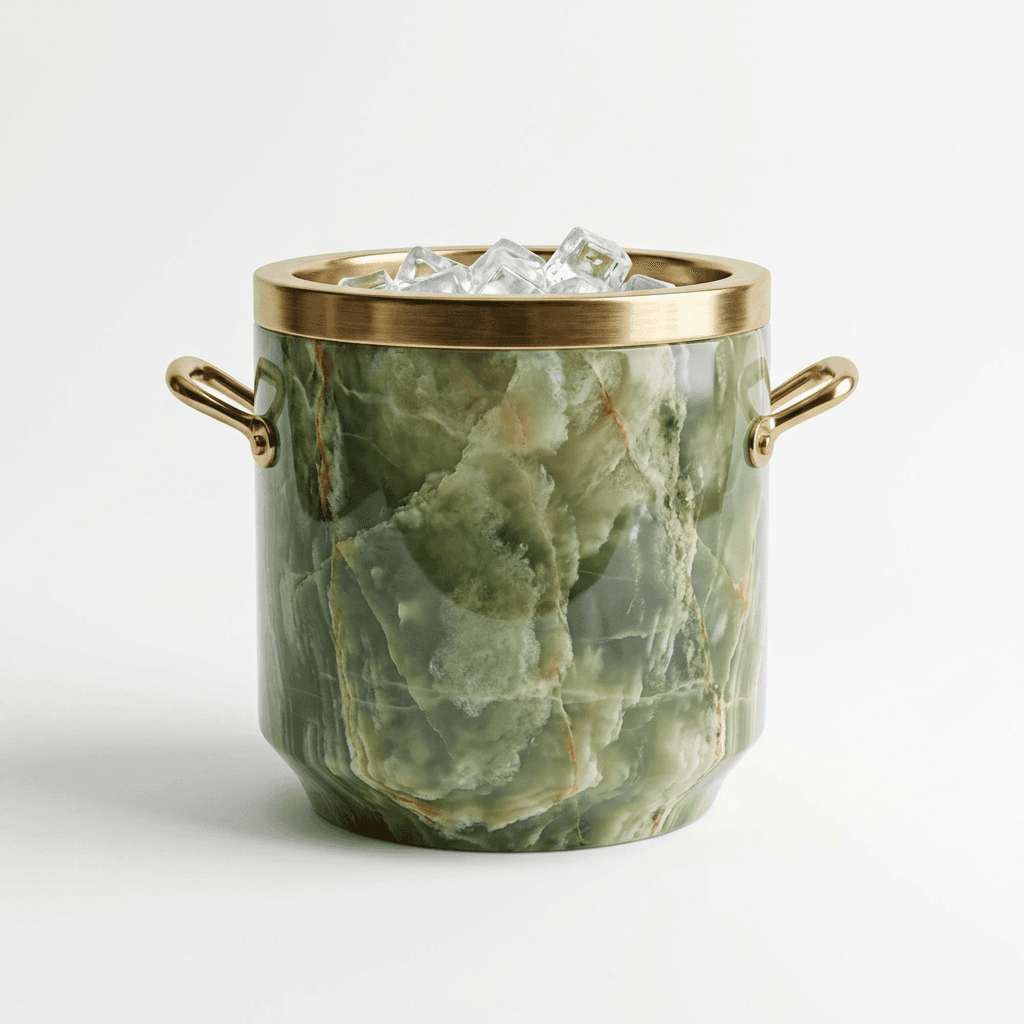
Begin with your foundational textures — the floors, walls, and largest upholstered pieces. Natural stone, wide-plank oak, and hand-trowelled plaster provide an earthy base that grounds a room. From there, introduce contrast through soft furnishings: a bouclé sofa against a jute rug, silk cushions beside a rough-hewn wooden bench. Each layer should feel intentional but never forced, as though the objects have been collected over time rather than purchased in a single afternoon.
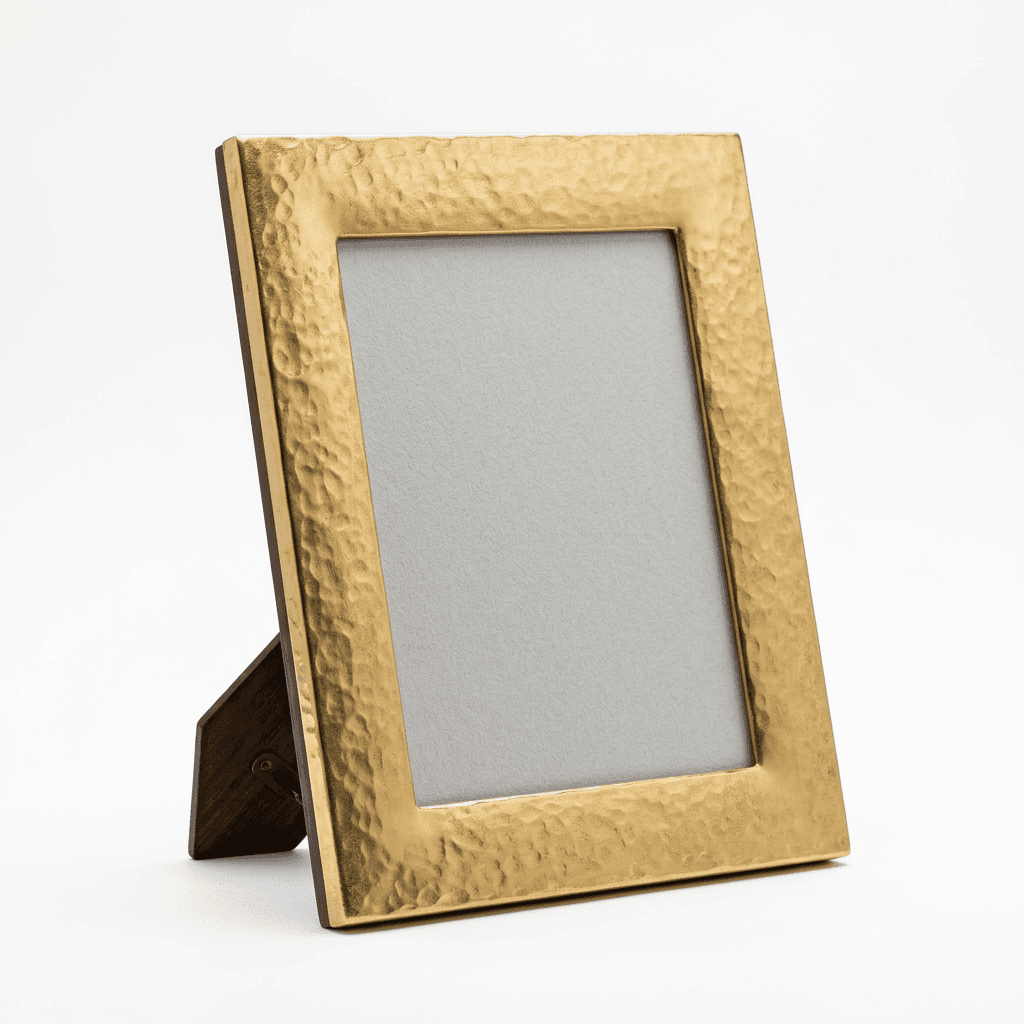
Lighting plays an equally vital role. A linen lampshade casts a fundamentally different quality of light than a glass pendant or a hammered brass sconce. Consider how each fixture contributes not only illumination but texture to the overall composition. The warm glow through natural fibres softens a room in ways that no dimmer switch can replicate.
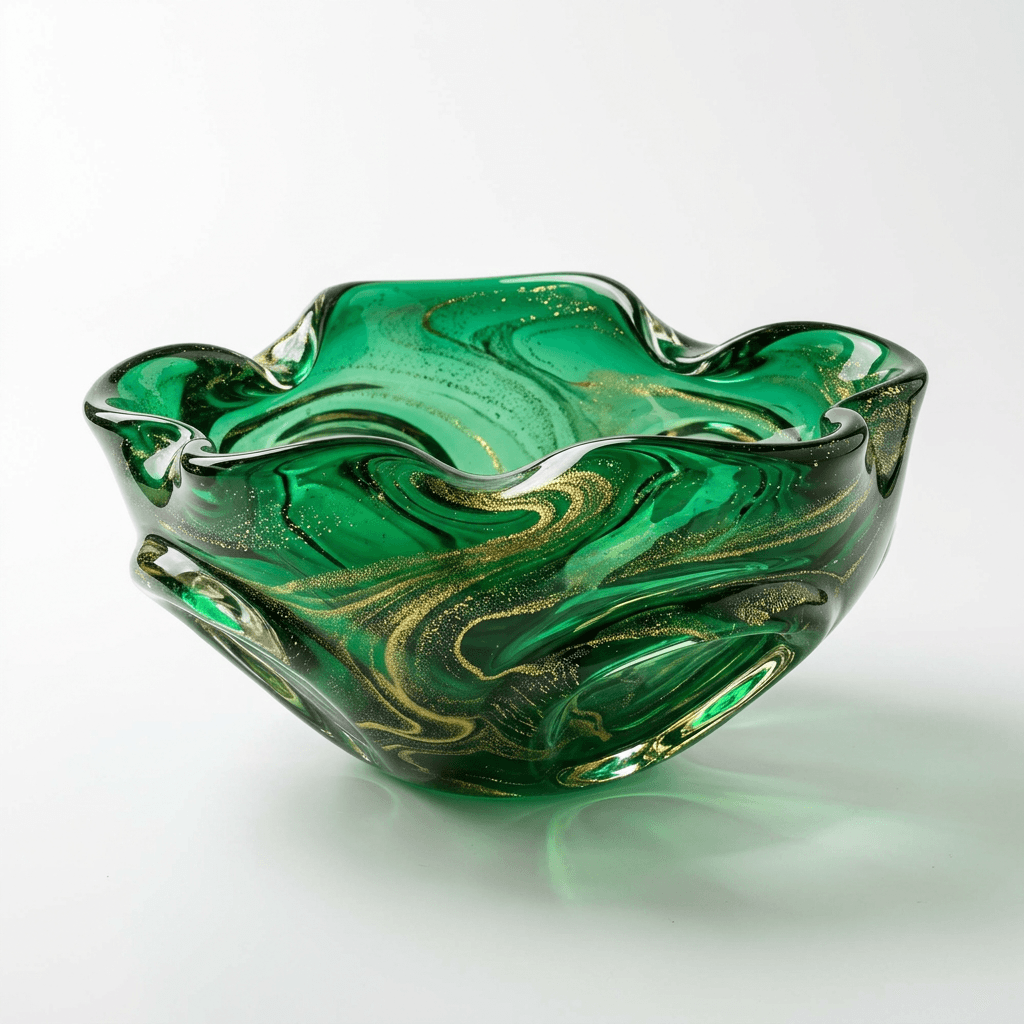
The most memorable interiors are those that engage all the senses. When a guest reaches out to touch a hand-glazed vase or runs their fingers along a fluted marble console, they are experiencing design at its most intimate. This is the true art of layering — creating spaces that are not merely seen, but felt.
Written by
Isabella Moretti