In Conversation with Architect Elena Voss
Elena Voss is not interested in perfection. The Berlin-based architect, whose residential projects have been featured in Architectural Digest, Wallpaper*, and The World of Interiors, builds homes that feel at once precise and deeply human. We sat down with her in her Kreuzberg studio to discuss her philosophy of living spaces.
Your work is often described as minimalist, but you resist that label. Why?
Minimalism implies removal — taking things away until only the essential remains. My approach is different. I think of it as intentional accumulation. Every object, every material, every proportion in a room should earn its place. That is not the same as having less. Some of my favourite spaces are quite full, but nothing is arbitrary. When people say a room feels "minimal," what they usually mean is that it feels calm. Calm comes from coherence, not emptiness.
You have spoken about the importance of imperfection in design. Can you elaborate?
A space that is entirely flawless becomes a museum. You cannot relax in a museum. I always try to introduce at least one element that disrupts the composition — a rough stone counter in an otherwise sleek kitchen, a vintage textile thrown over a modern sofa. These moments of friction give a room its character. They tell you that a human lives here, not a catalogue.
How do you approach accessories and decorative objects in your projects?
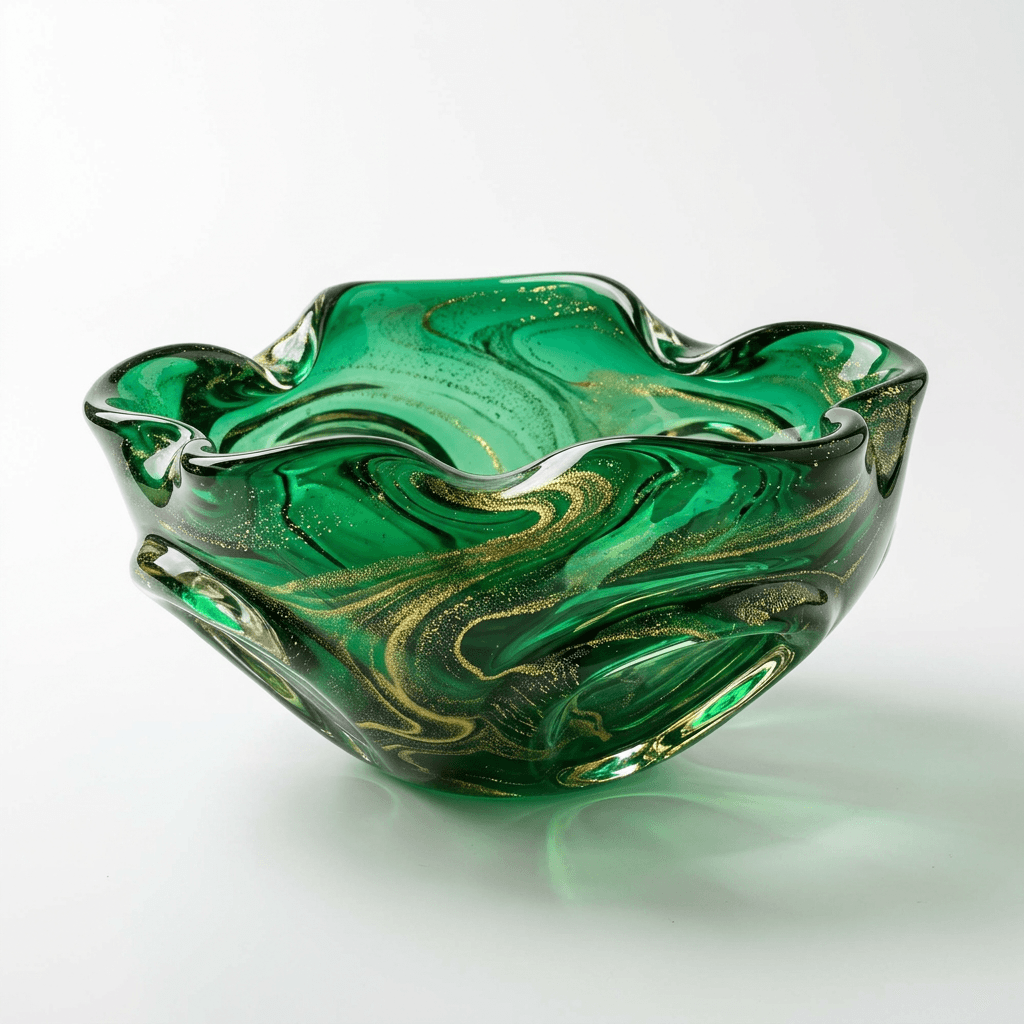
Very carefully. I never fill a space all at once. I design the architecture and the fixed elements — cabinetry, lighting, built-in furniture — and then I encourage clients to layer in objects slowly, over months or even years. The best interiors are autobiographical. A bowl brought back from a trip to Japan, a candlestick inherited from a grandmother, a vase chosen simply because the glaze reminded you of the sea on a particular morning. These things cannot be specified on a drawing. They must be lived into.
What advice would you give to someone furnishing their first home?
Invest in the things you touch every day. A beautiful door handle, high-quality bed linen, a well-made dining chair. These are the objects that shape your daily experience far more than a painting on the wall or a sculptural coffee table. Start with the tactile, and the visual will follow.
Written by
Clara Fontaine